Monrovia highlight
Historic downtown
Monrovia's downtown district reflects the city's 1886 founding and continues as the heart of community life with shops, restaurants, and civic buildings along Myrtle Avenue.
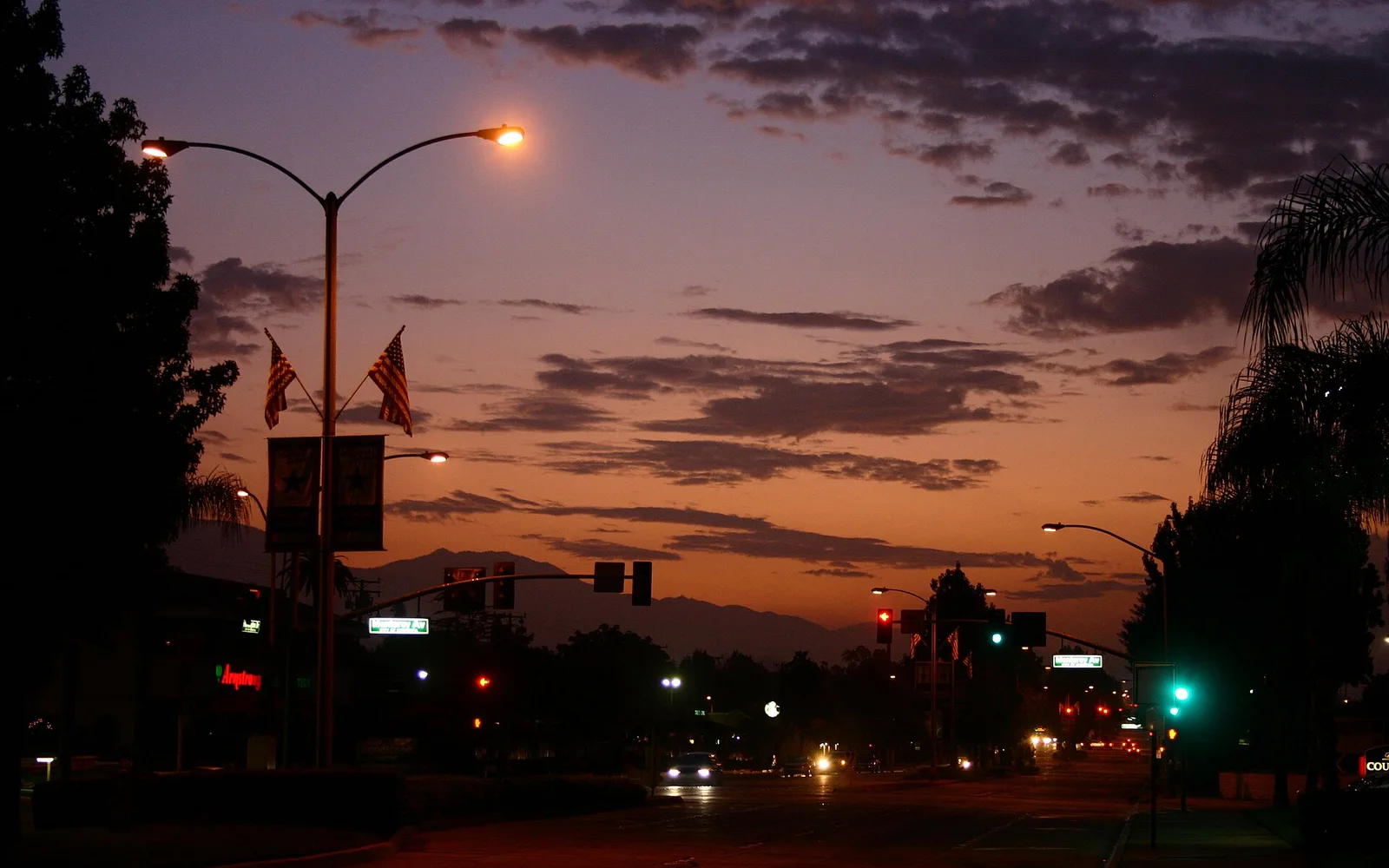
Monrovia's downtown centers on Myrtle Avenue, the original spine of the city when William N. Monroe and his partners laid out a 120-acre town in 1886. The city was incorporated into Los Angeles County on December 15, 1887, becoming the fourth incorporated city in the county after Los Angeles, Santa Monica, and Pasadena. Within the first nineteen months, the settlement grew quickly enough to support several banks, hotels, churches, and schools, establishing the civic infrastructure that remains recognizable today.
The downtown district preserves the character of that era while serving as the commercial and civic center of modern Monrovia. Myrtle Avenue and the surrounding blocks house local businesses, municipal services, and gathering spaces where residents and visitors move between shopping, dining, and civic life. The architecture and layout reflect the turn-of-the-century planning that intended Monrovia to be a prosperous residential town rather than an industrial center.
Downtowns like Monrovia's are the places where households make real memories: a first purchase at a family business, a child's school near the library, a favorite restaurant for celebrations. When you think about the people who depend on those traditions, and what would protect them if you were no longer here, the number you need for a life insurance policy starts to come into focus.